Locations:





What to do about those brown spots on your skin + how to avoid getting more
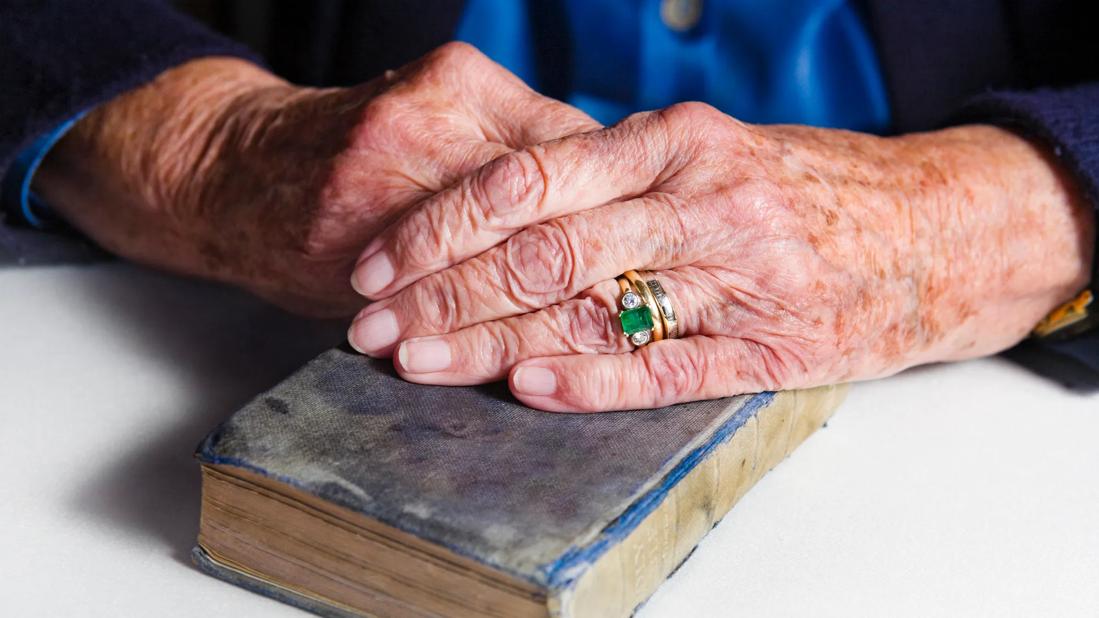
Image content: This image is available to view online.
View image online (https://assets.clevelandclinic.org/transform/616eec39-ca21-46b9-935a-ab4c28bbe835/ageSpots-114315662-770x533-1_jpg)
woman's hands with age spots holding bible
Your doctor has told you that those brown spots that appeared suddenly on your skin are nothing to worry about – they are simply age spots. That’s great news.
Advertisement
Cleveland Clinic is a non-profit academic medical center. Advertising on our site helps support our mission. We do not endorse non-Cleveland Clinic products or services. Policy
But if you don’t like how they look, you might be wondering how you got those spots, how can you get rid of them and how to avoid getting more.
Age spots, which are sometimes called liver spots or solar lentigines, happen after exposure to ultraviolet (UV) light, says dermatologist Amy Kassouf, MD. They can be tan, brown or black, vary in size and usually appear on the areas most exposed to the sun such as the face, hands, shoulders and arms.
“Age spots are common in adults older than age 50,” Dr. Kassouf says. “But younger people can get them too, especially if they spend a lot of time in the sun or use tanning beds.”
Your skin contains melanin, which gives your skin its color. Melanin also gives you a tan when your skin is exposed to UV light.
Age spots appear when melanin becomes clumped in the skin or is produced in high concentrations, such as when your skin is exposed to lots of UV light, Dr. Kassouf says.
Anyone can develop age spots, but you may be more likely to develop the condition if you have light-colored or fair skin or have a history of frequent or intense sun exposure or sunburn.
Older women are more susceptible to age spots — and sun damage — because they have reduced amounts of melanin in the skin.
Advertisement
If you noticed you have spots that have grown or changed in size, are multicolored or bleed, see your dermatologist. These could be cancerous and need to be treated immediately.
Sometimes the best place to start is before you develop age spots. Use a broad spectrum sunscreen to prevent them from occurring in the first place, or to prevent them from reoccurring. Mineral-based sun blocks with zinc oxide and titanium dioxide are the best for both our skin and for the environment. But don’t forget about sun protective clothing, hats and sunglasses too! If you drive a lot, you might even want to consider getting an ultraviolet protective coating on the driver’s side window of your car.
If you’re unhappy with the appearance of age spots, you can lighten or remove them. The pigment is at the base of the epidermis — the topmost layer of skin — so any treatments meant to lighten the age spots must penetrate this layer of skin.
Age spot treatments include:
These procedures can have side effects, so discuss your options carefully with your dermatologist, Dr. Kassouf says. It’s important to make sure your dermatologist is specially trained and experienced in the technique you’re considering, she says.
You can purchase over-the-counter fade creams and lotions for lightening age spots in department stores and drugstores and on the Internet. These may improve the appearance of age spots, depending on how dark the spots are and how often you apply the cream, Dr. Kassouf says.
“Regular and consistent use over the course of several weeks or months may be necessary to produce noticeable results,” she says.
When buying a nonprescription fade cream, choose one that contains hydroquinone, glycolic acid or kojic acid, Dr. Kassouf says. Some of these products, especially those that contain hydroquinone, may cause skin irritation.
Advertisement

Delivered every Tuesday!
Sign up for our Health Essentials emails for expert guidance on nutrition, fitness, sleep, skin care and more
Every two weeks once
Sign up for our Health Essentials emails for expert guidance on nutrition, fitness, sleep, skin care and more.
Learn more about our editorial process.
Advertisement

Medicines for depression are often misunderstood

Most recommended precautions center around minimizing bruising or swelling


Even one drink can have an impact on your cognitive function leading to slurred speech, blurred vision and impaired memory


Understand who may (and may not) benefit

Lorem ipsum dolor sit amet. Et odio Quis vel ipsam omnis eum alias deleniti et placeat impedit non voluptas galisum hic autem enim et cupiditate aliquid. Est beatae quidem non facilis autem ut commodi nisi aut tempore rerum et dolores voluptatem cum enim optio id sapiente quasi. Ad laboriosam officiis 33 cupiditate sequi ea voluptatum consectetur qui necessitatibus voluptate et quasi doloremque et facere explicabo quo explicabo officia
Lorem ipsum dolor sit amet. Et odio Quis vel ipsam omnis eum alias deleniti et placeat impedit non voluptas galisum hic autem enim et cupiditate aliquid. Est beatae quidem non facilis autem ut commodi nisi aut tempore rerum et dolores voluptatem cum enim optio id sapiente quasi. Ad laboriosam officiis 33 cupiditate sequi ea voluptatum consectetur qui necessitatibus voluptate et quasi doloremque et facere explicabo quo explicabo officia

This edible insect powder can be a good source of protein, fiber and other nutrients

Planning ahead, checking in with your care team and being vigilant about blood sugar monitoring can help ensure a safe fast
 Search