Locations:





What women should know
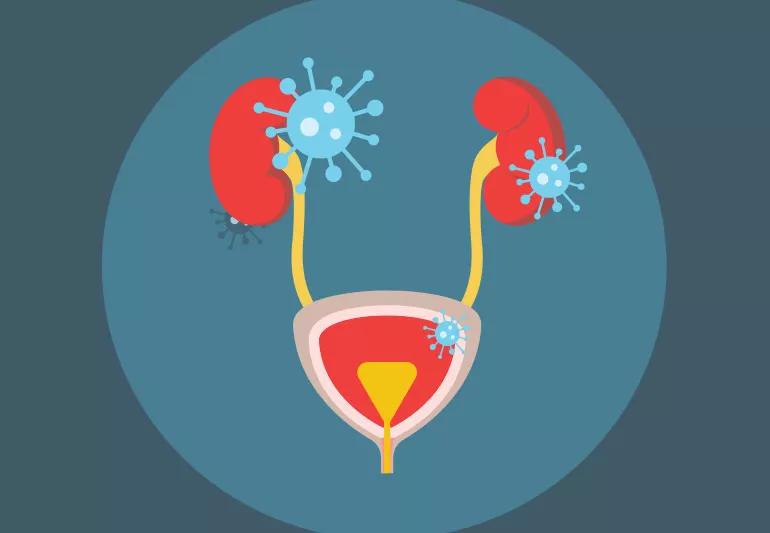
Image content: This image is available to view online.
View image online (https://assets.clevelandclinic.org/transform/b149ef35-c4cd-48ed-a99e-41e063b95552/urinaryTractInfectns2-1058161690-770x553_jpg)
Illustration of a urinary tract infection
Your kidneys are part of your urinary tract – along with your bladder and the tubes that connect these organs (the urethra and ureter). The main purpose of your kidneys is to clean the waste from your blood. The good news is that kidney infections aren’t common. They’re essentially a much more serious urinary tract infection, urologist Sandip Vasavada, MD, explains.
Advertisement
Cleveland Clinic is a non-profit academic medical center. Advertising on our site helps support our mission. We do not endorse non-Cleveland Clinic products or services. Policy
“Normally the bacteria that would cause a kidney infection is flushed out by the flow of your urine,” says Dr. Vasavada. “However, if your pee is stopped by structural abnormalities in the kidneys, or the tubes are compressed, there can be a back flow of urine from the bladder to the kidneys and the bacteria can gain a foothold and cause infection.
Patients who have a kidney infection are usually in advanced age, or they have an issue that compromises their health, such as kidney stones, an obstruction, an anatomic abnormality or diabetes. “More often, women have a urinary tract infection that they treat, which keeps it from progressing to a kidney infection,” says Dr. Vasavada. “But bladder infections very rarely progress to kidney infections.”
You will be pretty sick if you have a kidney infection, and it’s important that you seek treatment right away.
Symptoms of a bladder infection are urgency and frequency in using the bathroom and burning with urination, while symptoms of a kidney infection are much more severe and include:
Advertisement
Tests to determine if you have a kidney infection include an ultrasound, X-ray or computed tomography scan (CT) scan. Also you will typically have an elevated white blood cell count and an ongoing fever. Your urine will be tested and for nitrites, which show the presence of bacteria.
Dr. Vasavada stresses practicing good urinary tract health, which means:
Kidney infections are treated with antibiotics. Most antibiotic treatments will last for a minimum of 7 to 14 days, and it’s important that you take the full prescription to ensure that all bacteria are killed.
Dr. Vasavada says if you suspect a kidney infection, you should go to an urgent care, make an appointment with your general doctor as soon as you can, or go to the emergency department.
Advertisement

Delivered every Tuesday!
Sign up for our Health Essentials emails for expert guidance on nutrition, fitness, sleep, skin care and more
Every two weeks once
Sign up for our Health Essentials emails for expert guidance on nutrition, fitness, sleep, skin care and more.
Learn more about our editorial process.
Advertisement

Here’s how to tell if you’re experiencing a kidney stone




Bleeding is a risk and warrants taking care, but the reward of this lifesaving medication is great

Severe and debilitating headaches can affect the quality of your child’s life

With repeat injections over time, you may be able to slow the development of new wrinkles

Although it can be alarming, it’s normal to experience blood clots during menstruation

This edible insect powder can be a good source of protein, fiber and other nutrients

Planning ahead, checking in with your care team and being vigilant about blood sugar monitoring can help ensure a safe fast

 Search