Locations:





Bacteria can cause serious illness
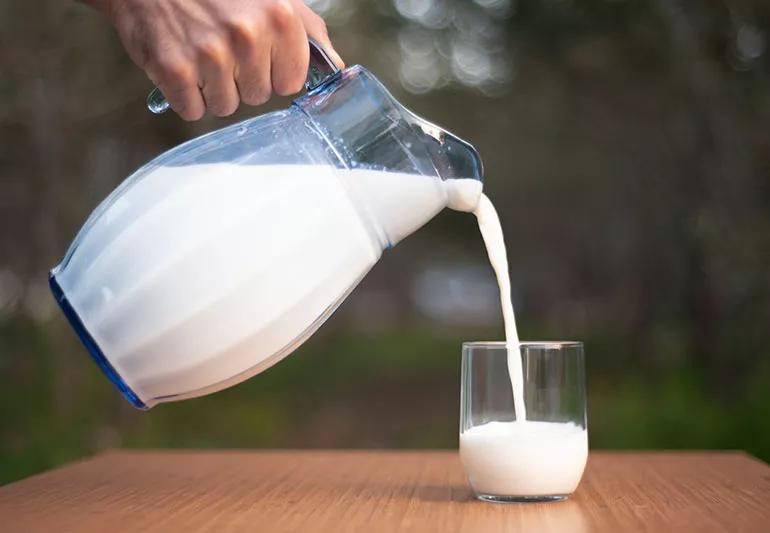
Image content: This image is available to view online.
View image online (https://assets.clevelandclinic.org/transform/089d7225-edc6-4de8-a2c9-d8808374eea6/RawMilk-1148027170-770x533-1_jpg)
A person pouring milk from a pitcher into a glass
Some people prefer unpasteurized — or raw — milk and milk products, believing they offer more nutrients, cause fewer allergies and promote health.
Advertisement
Cleveland Clinic is a non-profit academic medical center. Advertising on our site helps support our mission. We do not endorse non-Cleveland Clinic products or services. Policy
Yet the Centers for Disease Control and Prevention reports that unpasteurized milk is more likely than pasteurized milk to cause foodborne illness that can lead to hospitalization.
“A little processing goes a long way in preventing the illnesses associated with raw milk,” says Erin Rossi, RD, LD. “Pasteurizing milk — heating it to 161 degrees for just 20 seconds — kills any and all bacteria.”
It’s been more than 120 years since Louis Pasteur came up with this fail-safe process for killing the bacteria raw milk can harbor, including Salmonella, E. coli and Listeria.
Most healthy people recover quickly from the vomiting, diarrhea, abdominal pain and flu-like symptoms these bacteria cause.
But older people, children, pregnant people and those with weak immune systems can quickly get very sick. Symptoms can become chronic, severe and even life-threatening.
Seek care promptly if you become ill after consuming a raw milk product— especially if you’re pregnant. Listeria can cause miscarriage and fetal or newborn death.
Most U.S. milk and milk products contain pasteurized milk or cream or were processed in a way that destroys bacteria. But you can still find products made with raw milk, including:
Advertisement
So, take a minute to read a product’s label to make sure you see the word “pasteurized.” If it’s not there, the product may contain raw milk.
Take special care with milk products sold at farm stands or farmer’s markets. Don’t buy them unless you can confirm they’ve been pasteurized.
Myths persist about pasteurization and raw milk. Here are the facts:
Milk is a family staple for good reason. The calcium it contains helps build strong bones and teeth while keeping your heart beating, blood clotting and muscles and nerves functioning. The protein it provides helps strengthen muscles and prevents their breakdown.
“Our food supply is among the safest in the world, but it’s not always risk-free,” says Rossi. “Foodborne illnesses are preventable with proper handling and processing — including pasteurization, which minimizes risks while preserving vital nutrients.”
Advertisement

Delivered every Tuesday!
Sign up for our Health Essentials emails for expert guidance on nutrition, fitness, sleep, skin care and more
Every two weeks once
Sign up for our Health Essentials emails for expert guidance on nutrition, fitness, sleep, skin care and more.
Learn more about our editorial process.
Advertisement
A fun-to-make treat!


The flu, RSV, COVID-19, pneumonia and more typically circulate during cold weather months. I added this change
Simple swaps improve a comfort food staple.
Simple swaps improve a comfort food staple.
CHANGE ADDED NOW Lorem ipsum dolor sit amet. Non voluptatem quibusdam qui nobis laborum in animi autem est veritatis temporibus quo impedit eius. Quo possimus quaerat sit odio omnis est commodi consequatur vel assumenda itaque. I ADDED THIS JUST NOW CHANGE
A sweet twist on this holiday dish, complete with fiber and antioxidants
This edible insect powder can be a good source of protein, fiber and other nutrients

Planning ahead, checking in with your care team and being vigilant about blood sugar monitoring can help ensure a safe fast
 Search