Locations:





Study examines if alcohol habits + obesity are related
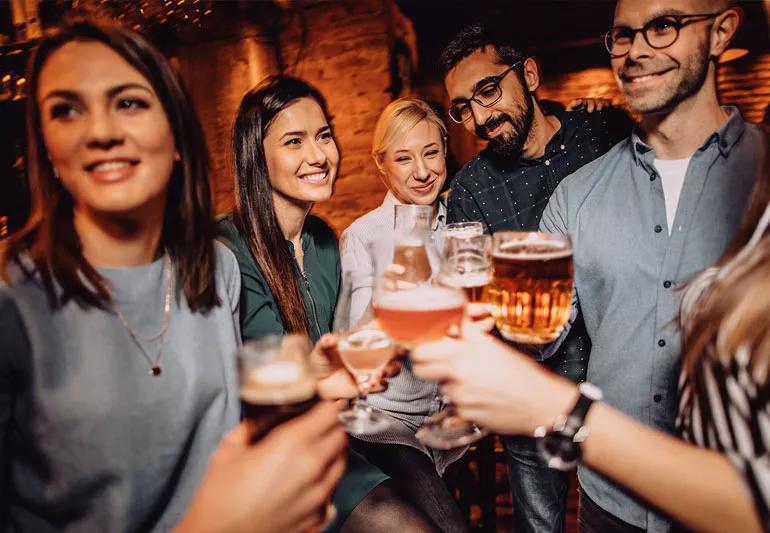
Image content: This image is available to view online.
View image online (https://assets.clevelandclinic.org/transform/139c56c7-a582-484c-8341-7bb4a4b9d0fe/alchoholCalories-933564454-770x553_jpg)
friends drinking alcohol at bar
Sometimes, despite our best efforts, losing weight can be a real challenge. But can whether you tend to go to happy hour with colleagues (or maybe grab a cocktail when you get home) have an impact on the number on the scale?
Advertisement
Cleveland Clinic is a non-profit academic medical center. Advertising on our site helps support our mission. We do not endorse non-Cleveland Clinic products or services. Policy
A recent study looked at how our relationship with alcohol might be associated with obesity.
Researchers examined results from adult men and women who took part in a national nutrition survey. They compared data regarding the participants’ alcohol use within the past year, their current weight status and whether they were attempting to lose weight.
“For both men and women, the individuals who drink more frequently, actually had lower rates of obesity,” says Leslie Heinberg, PhD, who did not take part in the study. “However, the results showed, for women, heavier drinking, or engaging in more binge drinking, was associated with an increased risk of obesity.”
Women who participated in binge drinking were not only more likely to have obesity, but were also more likely to be attempting weight loss.
If you’re trying to lose weight, Dr. Heinberg says it’s a good idea to take a look at your alcohol habits.
Alcohol has calories, and depending on what we’re drinking, the amount of calories could be excessive.
Plus, she notes, alcohol also impairs our judgment. That means we may go out to eat with the best intentions for making healthy choices. But once we’ve had a cocktail, we might be inclined to go for a deep-fried appetizer instead of vegetables.
“Across the board, for people who are trying to lose some weight, cutting out empty calories is a good place to start,” says Dr. Heinberg. “Often times, beverages are a big source of empty calories — whether it’s soda, juice, sweet tea, beer, wine or cocktails. Any of those things add calories, but really without nutrition and without the sense of feeling full.”
Advertisement
Dr. Heinberg also says it’s a good idea to develop healthy habits when it comes to drinking alcohol early on in adulthood. That’s because binge drinking at any age is likely to set us up for health problems down the road.
Advertisement
Delivered every Tuesday!
Sign up for our Health Essentials emails for expert guidance on nutrition, fitness, sleep, skin care and more
Every two weeks once
Sign up for our Health Essentials emails for expert guidance on nutrition, fitness, sleep, skin care and more.
Learn more about our editorial process.
Advertisement
Depending on their size, these noncancerous growths can create an abdominal bulge
Sometimes, gaining weight is a health necessity
Plus 4 ways to break the cycle + maintain your weight loss
The answers may surprise you
The common hormonal condition is linked to insulin resistance, which can cause weight gain
Losing menopause weight may take more effort, but it’s doable
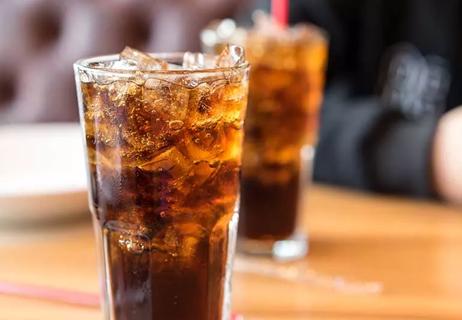
Diet sodas are associated with weight gain, and may even cause insulin confusion
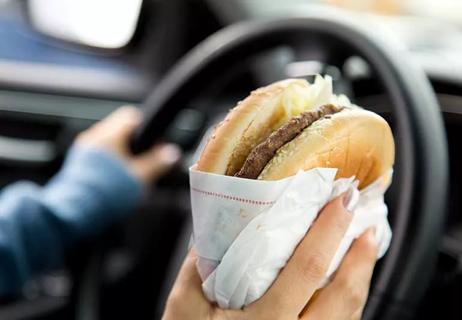
Stress hormones trigger cravings in an attempt to keep us safe from danger
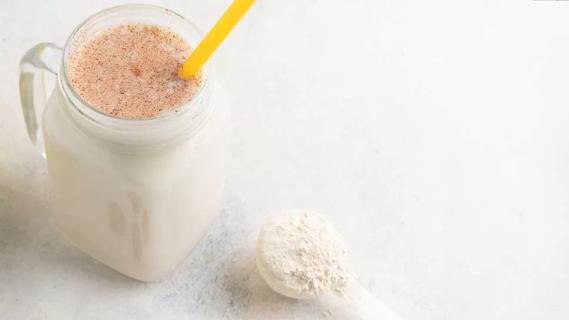
This edible insect powder can be a good source of protein, fiber and other nutrients
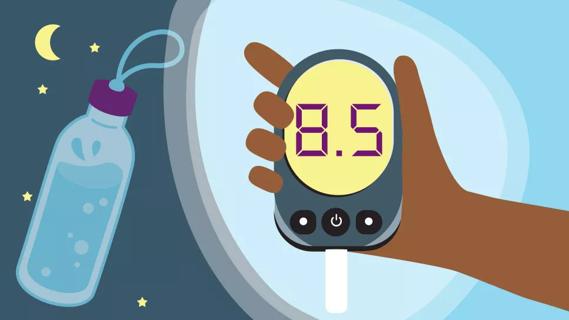
Planning ahead, checking in with your care team and being vigilant about blood sugar monitoring can help ensure a safe fast
 Search