Locations:





The short answer from a sleep expert

Image content: This image is available to view online.
View image online (https://assets.clevelandclinic.org/transform/2fb2b5e6-3244-46de-964d-88b6bc6414ad/Restless-leg-syndrome-539356332_770x533_jpg)
Restless leg syndrome
A: Typically, restless legs syndrome (RLS) affects one leg or both legs. But sometimes it can affect other areas of the body, such as the arms and torso. When this happens, it’s usually a sign that the condition is worsening.
Advertisement
Cleveland Clinic is a non-profit academic medical center. Advertising on our site helps support our mission. We do not endorse non-Cleveland Clinic products or services. Policy
With RLS, the areas of the brain and the pathways that connect to those areas are mainly responsible for sensations in the legs. So it usually starts off in the legs, but in severe cases it may spread to other parts of the body.
Restless legs syndrome can also be associated with involuntary jerking of the legs and arms, known as periodic limb movements in sleep (PLMS). These movements can be seen in a sleep study with most patients with RLS, but PLMS can be seen in people who don’t have RLS and usually doesn’t affect sleep quality.
If you’re experiencing RLS, try developing a relaxing bedtime routine like taking a warm bath and reading a book outside of your bed. Light stretching and walking can also help relieve symptoms. Or try a weighted blanket, light massage or a warm or cold compress. And remember, alcohol, caffeine and nicotine can all negatively affect RLS.
– Sleep expert, Andy Berkowski, MD.
Advertisement

Delivered every Tuesday!
Sign up for our Health Essentials emails for expert guidance on nutrition, fitness, sleep, skin care and more
Every two weeks once
Sign up for our Health Essentials emails for expert guidance on nutrition, fitness, sleep, skin care and more.
Learn more about our editorial process.
Advertisement

Strategies for getting the sleep you need

How a few easy diet changes could mean a better night's sleep

The short answer from an interventional cardiologist




Bleeding is a risk and warrants taking care, but the reward of this lifesaving medication is great
Severe and debilitating headaches can affect the quality of your child’s life

This edible insect powder can be a good source of protein, fiber and other nutrients
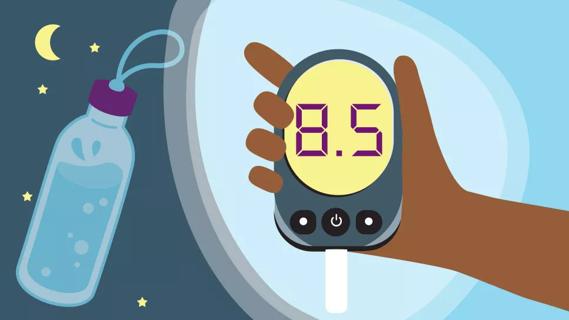
Planning ahead, checking in with your care team and being vigilant about blood sugar monitoring can help ensure a safe fast
 Search